When the sizzle of garlic hits warm metal, your wok turns into more than a pan. It’s a canvas for style and a accomplice within the pursuit of massive nutrition. Yet the iconic query lingers for passionate chefs and residence chefs alike: cast iron or carbon metal? Both different types of wok can create that elusive wok hei, the breath of the wok, but their protection calls for are exclusive. The debate in most cases gets tangled in nostalgia, culture, or a flurry of on line recommendation. Let’s cut due to the haze and get true about what it’s prefer to live with - and season - those two titans of the stovetop.
The Nature of the Beasts
Before diving into rituals Learn more and treatment plans, it can pay to be mindful what units solid iron and carbon metal aside. Both metals are iron-dependent, but their personalities couldn’t be extra extraordinary.
Cast iron is heavy and thick. A typical forged iron wok can weigh between 8 and 12 pounds for a relatives-sized kind. Its mass retains warmness stubbornly, that is equally blessing and curse. Carbon metal, alternatively, is lean and responsive. A 14-inch carbon metal wok hardly facts the size earlier four kilos. It heats and cools quickly, letting you dance from sear to simmer in seconds.
The bodily transformations convey into maintenance. Cast iron has a rougher floor and greater pores. It loves fats - it soaks up oil right through seasoning and cooking, building a nonstick layer over time. Carbon metal starts off very nearly slick to the touch but reacts with air sooner. It’s more likely to rust if ignored, however it additionally seasons directly with perfect use.
Why Seasoning Matters
Seasoning isn’t some esoteric chef’s ritual. It’s a sensible guard: a skinny, polymerized layer of oil at the metallic that blocks rust and continues nutrition from sticking. For woks in particular, this residue is as imperative as sharp knives or contemporary ginger.
A smartly-seasoned wok does two matters. First, it creates a on the whole nonstick surface without synthetic coatings which could wear or flake. Second, it infuses dishes with delicate flavors over time - ponder it as culinary patina. Without seasoning, the two cast iron and carbon steel will rust at the 1st whiff of moisture. Worse yet, unseasoned surfaces seize onto nutrients like glue.
But right here’s in which matters diverge: cast iron and carbon metal every single demand their possess mindset to building and declaring that protective dermis.
Breaking In: The First Seasoning
Unboxing a brand new wok sounds like unwrapping danger. But formerly you stir-fry anything, you face the seasoning gauntlet. The technique is related in conception for each metals - blank off manufacturing facility oils, warm, observe oil, repeat - but the satan is in the particulars.
With cast iron woks, preliminary seasoning is slow however forgiving. Their porous floor liquids up oil; it could possibly take several rounds of heating and oiling to attain a deep bronze or black end. Usually, I advocate a minimum of 3 thorough cycles at 450°F within the oven for Western-genre forged iron (Lodge or equivalent), with a skinny coat of flaxseed or grapeseed oil each time. At top altitudes or with classic Chinese hand-hammered cast iron, I’ve visible chefs pass six or more cycles prior to that telltale sheen looks.
Carbon steel is greater dramatic. The first seasoning incessantly occurs accurate at the stovetop. After scrubbing off the protective manufacturing unit lacquer (probably with warm water and a scouring pad), you’ll warmness the wok until eventually it starts to blue or yellow with oxidation. Then you swirl in a top-smoke-point oil - peanut or canola paintings smartly - and use paper towels and tongs to wipe the wok until eventually most effective a whisper of oil is still. The wok will darken nearly immediate. One or two cycles is usually satisfactory for a first rate head commence.
Here’s a easy contrast for that preliminary wreck-in:
| | Cast Iron Wok | Carbon Steel Wok | |----------------|------------------------------|------------------------------| | Weight | Heavy (eight-12 lbs) | Light (2-4 lbs) | | First Seasoning| Multiple oven cycles considered necessary | Quick stovetop burn-in | | Oil Absorption | High | Moderate | | Surface | Rougher | Smoother | | Rust Risk | Lower (as soon as professional) | Higher (if neglected) |
Living With Your Wok: Day-to-Day Maintenance
The seasoning experience doesn’t stop after the first day. Real lifestyles with these pans is ready maintenance exercises that became 2d nature - very like remembering to sharpen knives or wipe down counters.
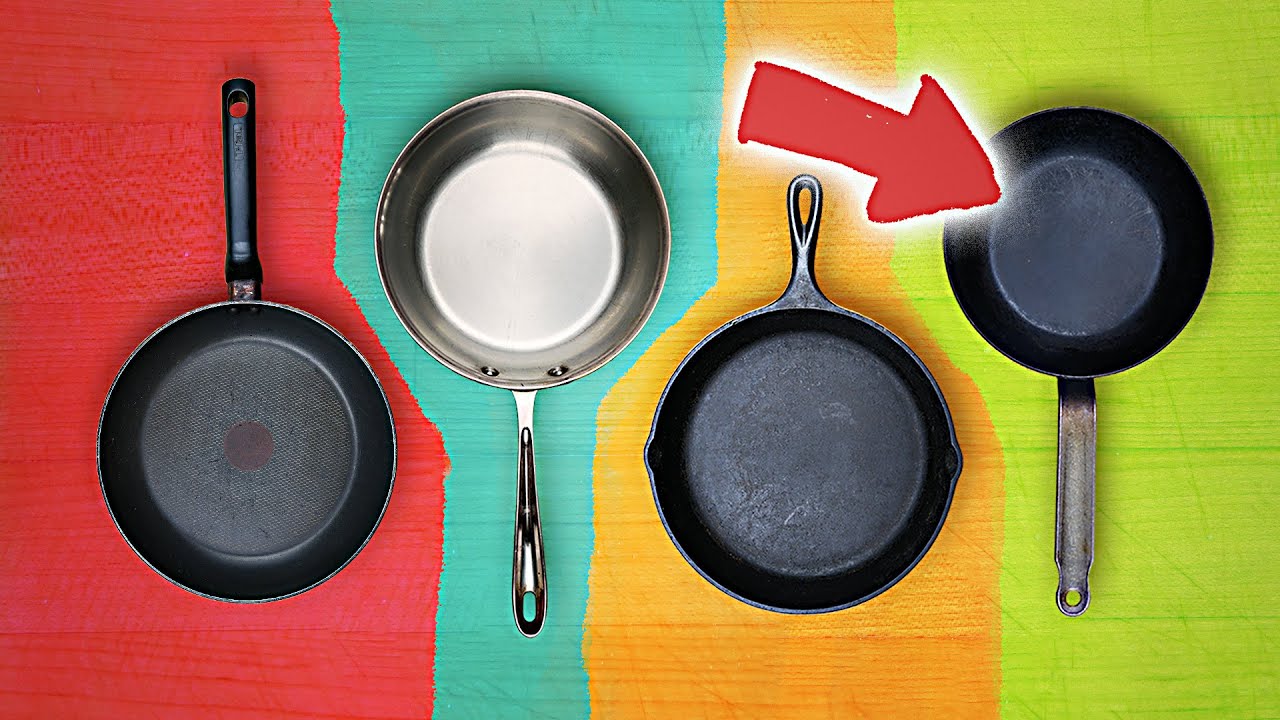
Cleaning Up After Cooking
Cast iron woks have a few tolerance for gentle detergents if they’re good pro, however ordinary cleansing need to be smooth. I usually allow the pan cool simply ample to handle (not ever plunge sizzling solid iron into chilly water - it hazards cracking). Then I use scorching water and a stiff brush to nudge off meals bits. If whatever sticks, kosher salt works as an abrasive that gained’t damage the seasoning.
For carbon metal, I’m even greater cautious. Strong cleaning soap can strip the seasoning simply. Hot water and a gentle sponge are always satisfactory. Tough spots could want a bamboo wok brush or perhaps just a handful of warm rice swirled around. After rinsing, either versions cross returned at the burner for a minute or two to evaporate each drop of moisture.
Oiling: The Unsung Habit
After every single cleansing, I swipe a thin movie of oil over the warm surface. For cast iron, this step is forgiving; you will use anything neutral oil is handy. Carbon steel prefers top-smoke-level oils or lard - stay clear of olive oil, that can get sticky and rancid through the years.
This on a daily basis ritual looks minor yet makes the difference between an heirloom wok and one who rusts less than your nostril. If you see uninteresting spots or rust flecks, just repeat the wreck-in task in the ones parts.
The Occasional Deep Season
Even with common care, each forms of wok in certain cases need rejuvenation. Acidic dishes (tomatoes or vinegar-dependent sauces) or burnt sugar can strip patches of seasoning. When that occurs, scrub all the way down to naked metallic and redo your initial seasoning steps simply in that spot.
A carbon steel wok bounces back instantly - one excessive-warmness session and it’s all set lower back. Cast iron is slower to heal: be expecting two or 3 oven cycles for deep restoration.
How Each Metal Ages Over Time
Woks advance character as they age. Cast iron regularly turns from brownish-black to an obsidian gloss with favourite use. The floor gets smoother; eggs slide off with barely a nudge after months of stir-fries and shallow frying.
Carbon steel darkens in streaks and patches until now reaching an even blue-black finish. Part of the joy is looking those “war scars” merge into uniformity over years - it’s proof that you simply cook dinner most often and neatly.
I’ve inherited equally models from older family members and seen that carbon steel tends to point out extra personality early on on the grounds that its seasoning reacts speedier to the different foods and oils. Cast iron feels almost stoic in evaluation: slow to substitute, however rock-steady as soon as ordinary.
Edge Cases and Everyday Annoyances
No pan is ideally suited for every cook dinner or kitchen. Over many years of kinfolk nutrients, pop-up dinners, and eating place paintings, selected quirks emerge that hardly get suggested in revenue brochures.
Cast iron woks are basically very unlikely to exploit on glass-height stoves simply by their weight and rounded bottoms. If you may have vulnerable wrists or restricted garage house, hauling out a 10-pound pan for nightly noodles receives historical speedy. On the upside, they’re well-nigh indestructible if dropped or banged round.
Carbon metallic woks demand vigilance against rust in humid climates. I’ve considered completely professional pans cross orange overnight all through wet seasons if left unwiped or kept damp. They additionally warp more actually over excessive warmth when you fail to remember to preheat slowly.
Both versions dislike dishwashers and lengthy soaks in water - even “dishwasher reliable” claims could be ignored for durability’s sake.
When Things Go Wrong: Common Fixes
Every prepare dinner faces setbacks now after which: rust blooms after an unintended soak; sticky residue refuses to budge; any one burns garlic to cinders at some stage in an active stir-fry session.
Here’s my move-to troubleshooting guidelines when disaster strikes:
If rust seems to be: Scrub returned to bare steel with steel wool or coarse salt and water. Dry wholly on the stovetop. Sticky patches: Heat the pan lightly until eventually cheesy spots liquefy; wipe fresh with paper towels, then reseason lightly. Flaking seasoning: Remove unfastened flakes with mild abrasion (not sandpaper), reapply oil sparingly, and bake at prime temperature. Lingering odors: Fill with water and convey to a boil with slices of ginger or lemon peel; pour off and dry as fashioned. Dull or grey areas: Rub with sparkling oil whilst still warm after both use; construct returned seasoning step by step with well-known cooking.A little persistence is going far - equally solid iron and carbon metal forgive maximum mistakes with time and focus.
Real-World Examples: Stories from Two Kitchens
A few years lower back, I gifted my brother-in-law a carbon metal wok for his new house in San Francisco. He became excited however skeptical about repairs - specifically due to the fact that his kitchen was once tiny and lacked air flow.

In simply 3 weeks of close to-nightly use (aas a rule stir-fried vegetables and fried rice), his wok changed from light silver to streaked brown-black. A couple of missed cleansing classes throughout foggy weather caused small rust spots; he panicked however revived it with salt scrubs and swift seasoning cycles appropriate on his gas range.
My very own forged iron wok has lived via actions throughout three states and infinite Sunday dinners. During one worrying month once I omitted it after making mapo tofu (that's complicated on seasoning), it constructed stubborn sticky patches. It took patience: three oven rounds at 500°F with flaxseed oil in spite of everything restored its glassy end.
These studies underline an truthful certainty about wok preservation: error are section of the journey, now not signs and symptoms of failure.
Deciding Between Cast Iron Wok vs Carbon Steel
Some choices come down to experience as a good deal as assertion. Both solid iron and carbon metallic make stellar woks with real care - however their modifications topic depending in your style.
If you crave rock-stable durability, don’t intellect added weight, and ordinarily cook on gas burners or over open flame, cast iron rewards patience with lasting performance. It shrugs off difficult managing and may also be handed down generations.
If you favor agility - instant temperature shifts, lighter managing, fast restoration from blunders - carbon steel feels greater energetic in on daily basis cooking. It’s forgiving of quick-hearth stir-fry classes but needs diligence opposed to rust.
Here’s what clinches it for most cooks:
- Cast iron is simplest for individuals who enjoy sluggish cooking rituals and amazing pans that double as serving vessels. Carbon metal suits every body who values pace and doesn’t brain normal contact-america
A Chef’s Perspective: Wisdom from Experience
Over various years operating in restaurant kitchens along wok masters from Guangzhou to Chicago’s Chinatown, one lesson stands out: seasoning just isn't about perfection yet endurance.
No kitchen helps to keep its pans flawless everyday - there are all the time blemishes from moved quickly lunches or overzealous line chefs. The secret's development behavior: sparkling quickly, dry appropriately, follow oil usually, prepare dinner characteristically.
On busy nights when we ran due to six carbon steel woks according to station, nobody fussed over patchy seasoning - we simply heated them dry among orders and wiped them down after service. In home kitchens with extra time for care and pleasure in both meal, you could possibly nurture your wok into whatever authentic.
The Verdict: Which Will You Choose?
Both cast iron and carbon steel have earned their vicinity in kitchens international for accurate explanation why. Their variations are factual yet no longer insurmountable; their similarities remind us that reliable cooking prospers on awareness to aspect in place of gadgetry.
Whether you wield heavy cast iron or nimble carbon metal, deal with your wok as more than simply cookware - treat it as an evolving companion for your culinary life. With staying power and regimen repairs tailor-made to your preferred metallic, you’ll unlock countless flavor and years of solid service from either possibility.
So next time your wok gleams underneath kitchen pale after a further around of seasoning - regardless of whether modern black or blue-streaked - recognise that you just’re conserving alive now not just lifestyle but also the functional paintings of cooking well with what you could have.